
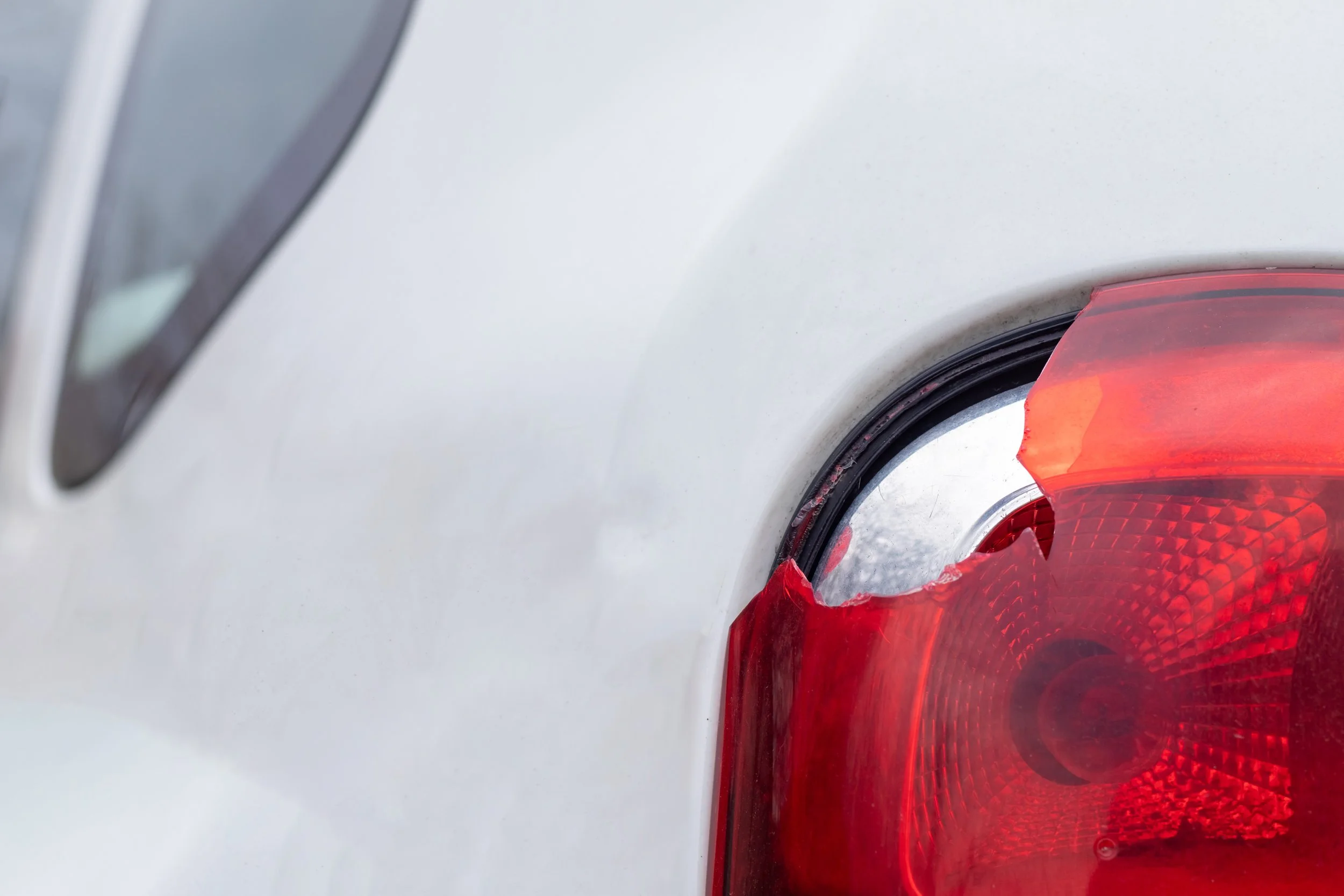
As I was driving on the highway to work the other day, I got behind a car that had only one dim brake light working, on the passenger side of the vehicle. I took a quick look at the map on my mirror-mounted phone holder before realizing that I was approaching a traffic jam. Because I didn’t see the lights I was expecting on the back of the car in front of me, I got lucky: I didn’t plow into it, and the huge truck right behind me didn’t smash into me, either. I try to be pretty conservative when I drive, so thankfully, I left enough room that my tires didn’t screech and I didn’t leave skid marks on the road—or in my pants. It struck me, though, that the person driving the vehicle with the faulty lights would continue on their merry way until someone rear-ended them.
Part of the reason we encourage people to bring their vehicles into our shops for service is, first, why make a holy mess in your driveway changing your oil just to save a mere $20–$30? But just as importantly, that complimentary safety inspection is essential. Very few people I know take the time and effort to check their lights when servicing their own cars, and this can result in an accident or getting pulled over by the police. In a best-case scenario, the person driving behind you will start screaming and yelling at you and casually flip you the bird as they pass.
The number of lights on vehicles these days is crazy, and they all serve a purpose. Daytime running lights, which are on all the time, are meant to alert other drivers to your presence. They also help improve visibility when the day dims and you forget to turn on your headlights. Turn signal bulbs are now found on the front and rear of the car, but often on the mirrors as well. When one fails, it can confuse someone who doesn’t know which way you intend to turn. There are the standard low-beam headlights, high-beam headlights, taillights, brake lights, and backup or reverse lights. We also see tons of cars come in with nonfunctioning license plate bulbs, which is a big no-no when you’re driving at night and law enforcement can’t make out your plate. Then we have fog lights, parking lights, high-mounted brake lights…
In short, have a shop check all of these lights when you come in for regular service. It’s astounding how many shops still don’t perform thorough safety inspections and fail to inform customers about exterior light failures, which can be dangerous. At the very least, if you perform your own maintenance, have a buddy check your lights for you. The small cost of replacing a bulb is worth its weight in gold when it comes to avoiding an accident.